Does Landscaping Add Value to Your Home?
5 June 2026 · 6 min read
The short answer, and the catch
Yes, landscaping adds value to your home. The research is consistent on this: well-designed landscaping can lift a property's value by 10 to 20 percent, it is one of the highest-returning improvements you can make (studies suggest up to $3 back for every $1 spent), and a well-presented garden can lift buyer interest by as much as 30 percent at sale.
Here is the catch nobody puts on the brochure. Those numbers describe good landscaping, not any landscaping. The difference between a garden that returns $3 on the dollar and one that returns 50 cents is design, not spend. You can pour $40,000 into a yard and add very little, or spend $18,000 with intent and shift how the entire property reads.
So the honest question is not whether landscaping adds value. It is which landscaping adds value, in which home, in which suburb. That is what the rest of this is about.
What actually adds value (and what quietly does not)
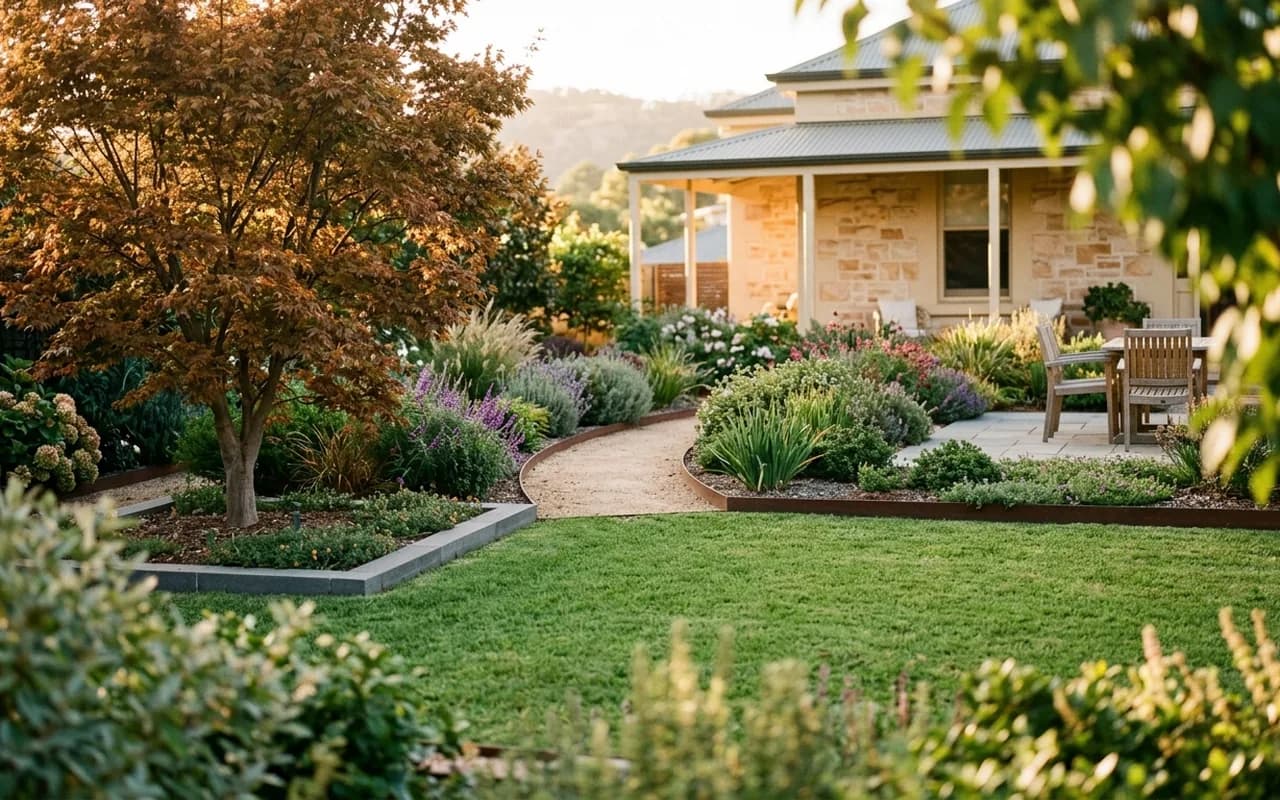
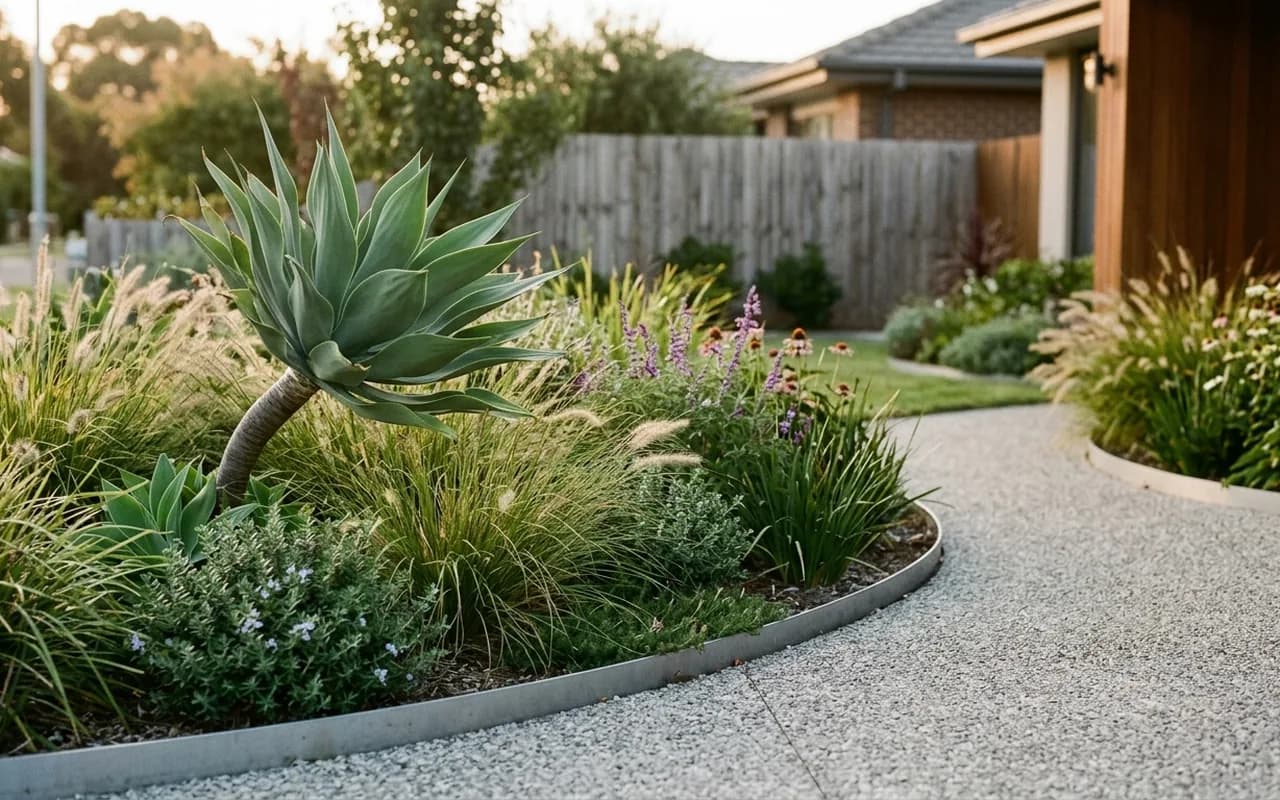
Value comes from structure and legibility, not from how many plants you can fit in. A buyer standing at the front fence makes a judgement in a few seconds, and they are reading proportion, lines, and whether the garden looks like it belongs to the house. Clean edging between lawn and beds, a clear path to the door, screening that hides the bins and the neighbour's shed, and a few well-placed mature plants will do more than 50 small specimens scattered around.
The work that consistently pays: defined edges, established trees that give the garden instant maturity, a healthy lawn or a tidy artificial-grass alternative, considered screening for privacy, and a usable outdoor living area that reads as extra floor space.
The work that quietly does not: anything high-maintenance or hyper-personal. A koi pond, an elaborate veggie-bed system, a fussy cottage garden that needs constant attention, or a bold theme only you love. Buyers price those as future work, not value. The same goes for cheap quick fixes that look cheap; a thin layer of mulch over bad bones fools no one in person.
The Adelaide factor most generic advice ignores
National statistics are a starting point, but value is local, and Adelaide gardens have their own rules. Our reactive clay soils through the eastern suburbs (think Burnside, Erindale, Beaumont) move with the seasons and will heave paving or kill the wrong plant within a year, so plant selection and drainage are not cosmetic decisions, they are value decisions.
Our climate is Mediterranean: hot dry summers, mild wet winters, and a buying public that remembers water restrictions. A garden built around climate-suited, low-water planting reads as sensible and cheap to run, which is exactly what a buyer wants to inherit. A lush, thirsty garden reads as a future water bill.
Buyer expectations also shift by pocket. A character home in Unley or Kensington is judged against its streetscape and its neighbours, so a garden that is out of proportion with the house drags the whole impression down. On the coast, at Henley Beach or Glenelg East, salt tolerance and a relaxed, robust planting palette matter more than formal symmetry. Matching the garden to the home and the street is where the return actually lives.
If you are selling: where the real lift comes from
Pre-sale is where landscaping returns the fastest, because you are buying two things at once: a higher perceived value and a faster, more competitive sale. Most buyers form their opinion before they walk through the door, and a garden that lets the house present at its best removes a reason to negotiate down.
A pre-sale Walkerville garden we made over is a useful example. The property was going to market with patchy lawn, overgrown beds, and no structure. We brought in premium turf, climate-suited plants, mature trees, and clean-lined paths to give it presentation it did not have. The home sold off-market and exceeded expectations by more than $150,000, and the vendors credited the garden as a key part of that result. One result is not a promise, but it shows the direction the lever moves.
Practical guidance if you are 6 to 10 weeks out: prioritise the front (it sets the entire tone before the first photo), get the lawn and edges sharp, clear and reset rather than over-plant, and make sure the garden is finished and photogenic before the open inspection, not the week after. Spend where the camera and the kerb will see it first.
If you are staying: the case for long-term owners
The resale numbers get the headlines, but if you are not selling for a decade, the better return is the one you draw down every day. A considered garden gives you usable outdoor living, real shade through an Adelaide summer, privacy you actually feel, and a daily sense of arriving somewhere that is finished. Outdoor space, shade, and greenery are consistently linked to lower stress and a stronger sense of connection to home.
There is also a compounding effect. A garden built around low-maintenance structure and climate-suited planting costs less to keep as it matures, and it grows into itself instead of falling apart. Trees thicken, screening fills in, and the garden looks better in year 5 than year 1 with less work, not more. That is the opposite of a high-maintenance design, which demands more of your weekends every season.
So the value question splits cleanly. Sellers are buying a number and a faster sale. Long-term owners are buying years of use and a garden that is cheaper and easier to live with. Done well, the same project delivers both, which is why we design every makeover to live well now and present well later.
How to spend so the value actually lands
The biggest mistake is treating landscaping as a shopping list of plants and pavers. Value comes from a plan: deciding what the garden is for, what stays, what goes, and how the whole thing reads from the street and the back door. Get the design right and a modest budget goes a long way. Get it wrong and a large budget still leaves you with a garden that does not add up.
Yardner projects run from $10,000 to $150,000+, and the right number depends on the size of the space and the gap between where the garden is and where it should be. A makeover begins with the garden already there: we clear what no longer belongs, refine what does, plant with intent, and finish every detail, rather than starting from a blank canvas. For most established Adelaide homes, that refine-and-restore path is where the value-per-dollar is strongest, because you are not paying to rebuild what already works.
If you want to know what your garden could add, the honest way to find out is to have someone assess the actual space, your home, and your street, then scope it to a budget. That is what a consultation is for. You can request one through our website or call 0405 306 789, and we will tell you where your dollars will work hardest.